FBR Audit Preparation: Complete Checklist for Pakistani Businesses
Be prepared when FBR comes knocking. Complete audit preparation checklist covering documentation, common focus areas, rights during audit, and post-audit procedures.
Imran Khalid
March 11, 2026
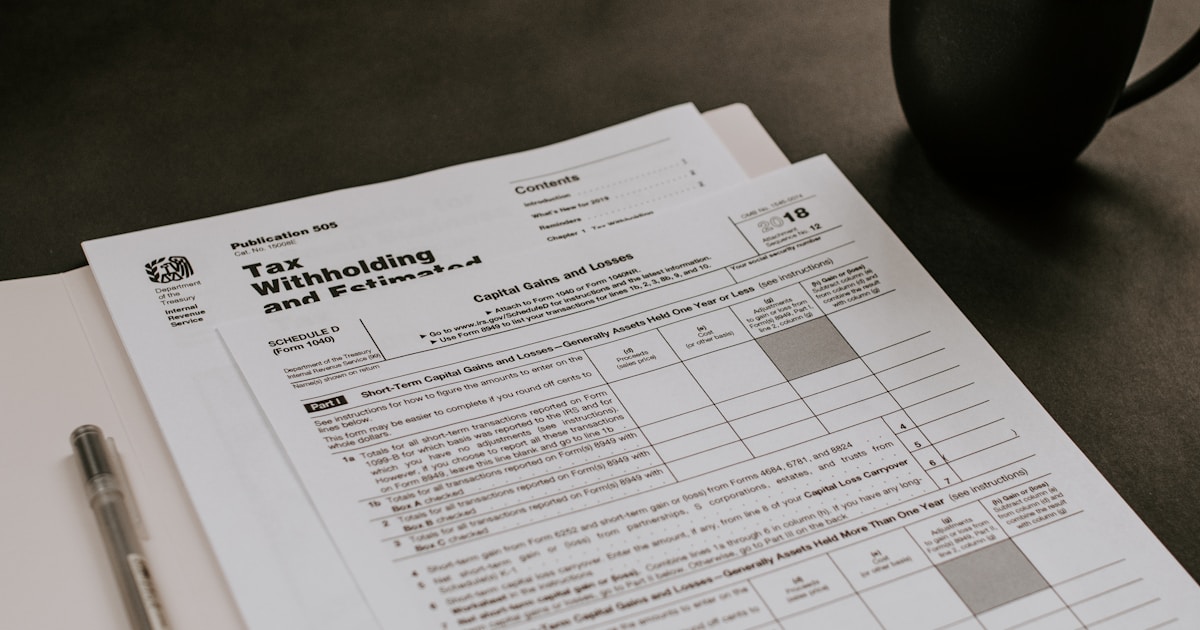
Understanding FBR Tax Audits
A tax audit from the Federal Board of Revenue (FBR) can be a stressful experience for any business. However, with proper preparation and understanding of the process, audits can be managed efficiently. This comprehensive guide helps Pakistani businesses prepare for and navigate FBR audits successfully.
Whether you've received an audit notice or want to be prepared for the possibility, this checklist covers everything you need to know about FBR audit preparation.
Types of FBR Audits
Desk Audit
Conducted at FBR offices using submitted documents:
- Review of filed returns
- Verification of claims and deductions
- Cross-matching with third-party data
- Usually less intensive than field audits
Field Audit
Officers visit business premises:
- Physical verification of records
- Inspection of business operations
- Inventory and asset verification
- More comprehensive examination
Special Audit
Triggered by specific concerns:
- Large refund claims
- Unusual transactions
- Third-party information
- Random selection under audit policy
Pre-Audit Preparation Checklist
Documentation Organization
Organize the following documents by tax year:
Income Records
- Sales invoices and supporting documents
- Revenue recognition schedules
- Contract copies for major transactions
- Bank statements showing receipts
Expense Records
- Purchase invoices and bills
- Expense vouchers with approvals
- Payment evidence (cheques, transfers)
- Payroll records and tax deductions
Tax Records
- Filed tax returns (income, sales tax, withholding)
- Tax payment challans
- Assessment orders and notices
- Correspondence with FBR
Supporting Schedules
- Fixed asset register with depreciation
- Inventory records and valuations
- Accounts receivable/payable aging
- Bank reconciliations
Common FBR Audit Focus Areas
Revenue Recognition
Auditors typically examine:
- Completeness of reported sales
- Matching of receipts to revenue
- Cash sales documentation
- Export sales and documentation
Input Tax Claims
Sales tax audits focus on:
- Validity of input tax invoices
- Supplier registration verification
- Matching with supplier declarations
- Apportionment for mixed supplies
Expense Verification
Auditors verify:
- Business purpose of expenses
- Proper documentation
- Arm's length pricing for related parties
- Capital vs revenue classification
Withholding Compliance
Reviews include:
- Deduction at correct rates
- Timely deposit of withheld tax
- Filing of withholding statements
- Issuance of certificates to payees
During the Audit
Initial Meeting
- Note the auditor's name and designation
- Understand the scope and periods covered
- Agree on documentation to be provided
- Establish communication protocols
Document Provision
- Provide only what is requested
- Keep copies of all documents shared
- Maintain log of documents provided
- Request receipts for original documents
Communication Guidelines
- Designate one person as primary contact
- Respond to queries in writing where possible
- Request clarification on unclear questions
- Don't volunteer information not requested
Your Rights During an Audit
Right to Representation
You can have a tax advisor or lawyer present during audit proceedings.
Right to Information
You can request the basis for audit selection and scope of examination.
Right to Fair Treatment
Auditors must follow prescribed procedures and treat you professionally.
Right to Appeal
You can challenge adverse findings through the appeals process.
Common Audit Issues and Responses
Issue: Unverified Purchases
Response: Provide supplier details, payment evidence, and goods receipt notes.
Issue: Cash Sales Under-reporting
Response: Demonstrate cash handling procedures and daily reconciliations.
Issue: Personal Expenses Claimed
Response: Provide policy documents and business purpose justification.
Issue: Missing Invoices
Response: Obtain duplicates from suppliers or provide alternative evidence.
Post-Audit Procedures
Review Draft Findings
- Carefully review auditor's observations
- Identify factual errors
- Prepare written responses
- Provide additional evidence if available
Assessment Order
- Review for computational errors
- Verify all submissions were considered
- Note appeal deadline (usually 30 days)
Appeal Options
- Commissioner Appeals: First level appeal
- Appellate Tribunal: Second level
- High Court: For legal questions
- Alternative Dispute Resolution: For settlement
Preventing Future Audit Issues
Strengthen Internal Controls
- Implement proper authorization procedures
- Maintain contemporaneous documentation
- Regular internal audits
- Staff training on compliance
Use Technology
- Implement FBR-compliant e-invoicing
- Maintain digital audit trails
- Regular reconciliations
- Automated compliance checks
Audit Preparation Timeline
Immediately After Notice
- Note response deadline
- Engage tax advisor if needed
- Begin document collection
One Week Before Audit
- Complete document organization
- Prepare summary schedules
- Brief internal team
Day Before Audit
- Final review of documents
- Prepare workspace for auditors
- Confirm arrangements
Conclusion
FBR audits are a normal part of business in Pakistan. With proper preparation, organized records, and professional handling, audits can be managed without significant disruption to your business. The key is maintaining good records throughout the year, not just when an audit notice arrives.
Digital Invoices helps businesses maintain audit-ready documentation by automatically creating compliant records for all transactions, providing the foundation for successful audit outcomes.


